Enhancing Quality of Life for Care Home In The UK

When it comes to care homes in the UK, the ultimate goal is to create a home away from home. Families are seeking environments where their loved ones can enjoy a high quality of life despite the challenges that come with ageing.
Ensuring your care home feels more like a home takes work from the families and the staff. We’ve had a look at all the different ways in which this can be done.
Creating a Home-like Environment
Firstly, it’s about creating an inviting environment, from personalised living spaces to common areas. Although it is the responsibility of the care home in the UK to look after both of these spaces, you can certainly help with the living space to make this exactly how your loved one needs it
Personalised Living Spaces: Personalising the living spaces is one of the first steps in making a care home feel like home. Residents are encouraged to bring personal items to their new homes, such as photographs, favourite furniture, and mementoes.
Warm and Inviting Common Areas: Common areas encouraging social interaction are essential for care homes. From comfortable lounges to well-maintained gardens, these spaces feel like extensions of the residents’ own homes.
Many of the best care homes in the UK now include cafes, libraries, and even pet-friendly areas to enhance the homely atmosphere.
Promote Engagement and Well-being
It’s important to assess the range of activities on offer. Ensure that a care home offers its residents opportunities to socialise with each other and focus on well-being.
Recreational Activities: Activities are essential for maintaining mental and physical health. Excellent care homes will offer various events and programs tailored to the interests and abilities of their residents.
These include arts and crafts, music therapy, gardening, and fitness classes, as well as anything else that they feel might benefit the residents. These activities are vital for mental and physical health.
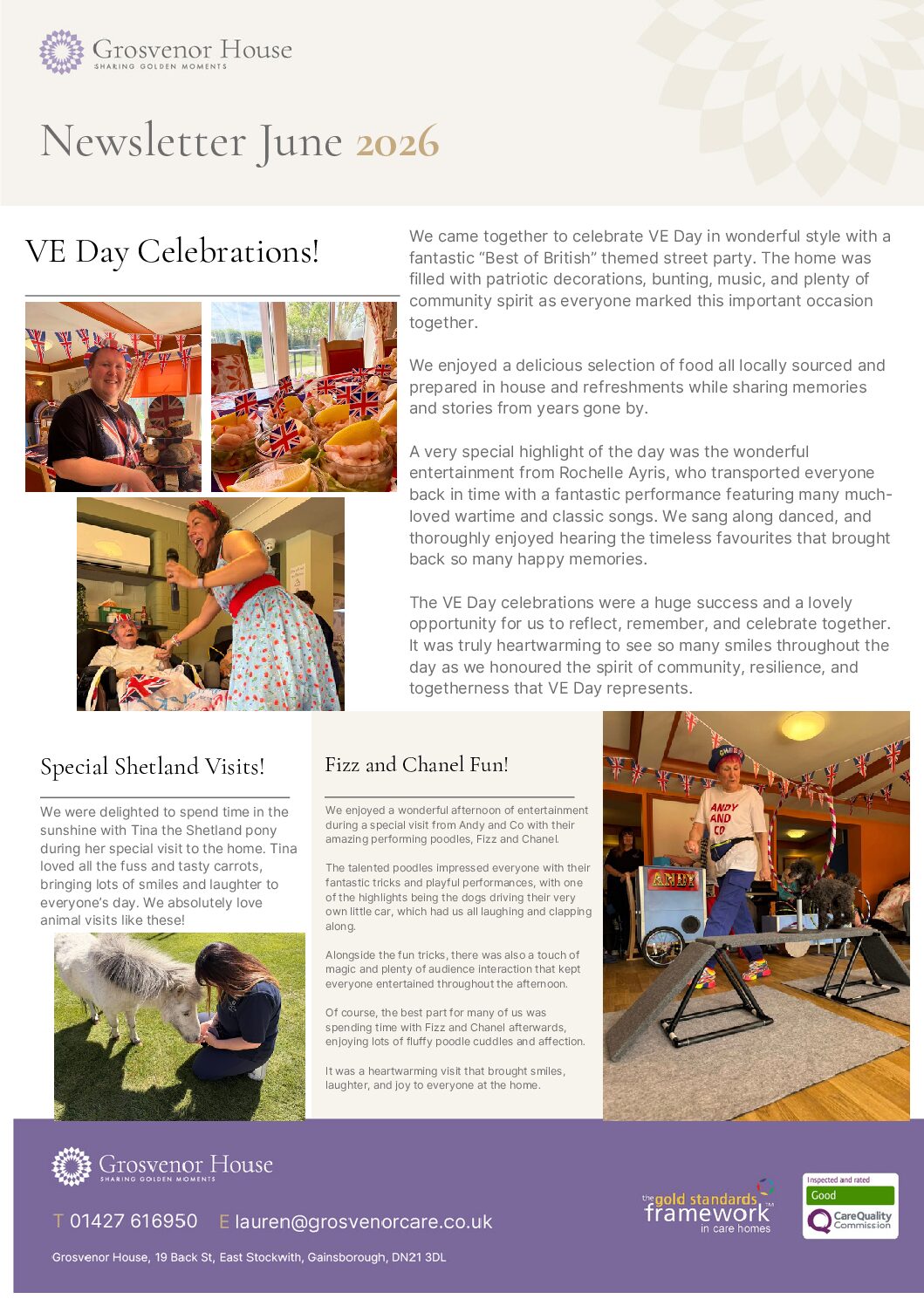
Social Events: Regular social events like themed parties and celebrations create a vibrant community atmosphere. These events help residents maintain social connections and enjoy a fulfilling social life.
Evolving local communities, such as opportunities for local school children to visit and interact with residents, are also gaining popularity and proving beneficial for both young and old.
Nutrition in Care Homes in the UK
It’s no secret that nutrition plays an important role in keeping people healthy. This is why care homes must provide home-cooked meals that residents enjoy.
Balanced and Nutritious Meals: Nutrition is a cornerstone of good health, especially for the elderly. Excellent care homes in the UK prioritise balanced, nutritious meals that cater to the dietary needs of older adults.
Meals must be not only nutritious but also delicious.
Dining as a Social Experience: Mealtime is not just about eating; it’s also a social event. Many care homes have reimagined their dining spaces to encourage communal dining.
Sharing meals with fellow residents can create a sense of community and belonging, making mealtime an enjoyable part of the day.
How Are Care Homes Supporting Mental Health?
Although we often think of the physical implications of ageing, mental health can deteriorate quickly when a person can no longer enjoy the things they used to. Care homes in the UK must ensure that all their residents still live their lives to the fullest.
Emotional and Psychological Support: Mental health is as important as physical health. Care homes provide access to mental health professionals who offer counselling and support for residents dealing with anxiety, depression, and other mental health issues.
Cognitive Stimulation: Activities that promote mental health are crucial in care homes. Memory games, puzzles, and reminiscence therapy are standard practices that help keep the mind active.
Tailor-made cognitive activities can significantly improve residents’ quality of life who require dementia care.
How Can Families Stay Involved?
This is often one of the first things that families ask. There are so many ways in which families can still be as involved with their loved ones, from regular visits to getting involved in events.
Regular Visits and Communication: Staying connected with family is vital for the emotional well-being of care home residents. Regular visits and frequent communication through phone or video calls help residents feel supported and loved.
Participating in Care Plans: Families are encouraged to participate in care planning. Understanding the care plan and providing input ensures that the resident’s preferences and needs are fully considered.
This collaborative approach enhances the care experience and strengthens the bond between residents and their families.
Creating a home away from home for care homes in the UK involves more than just providing basic care; it’s about fostering an environment where residents can thrive physically, mentally, and socially. Care homes are enhancing the quality of life for their residents through personalised living spaces, engaging activities, technological innovations, nutritious meals, and strong family involvement.
At Grosvenor Care, we are dedicated to implementing these innovative approaches to ensure our residents lead fulfilling, happy lives. Get in touch to find out what we get up to here at Grosvenor house and to arrange a visit.